
UTM Parameters: Know Where Your Customers Come From
Many companies advertise without knowing which channel brings in customers. Free UTM parameters help identify those sources and guide better investment decisions.
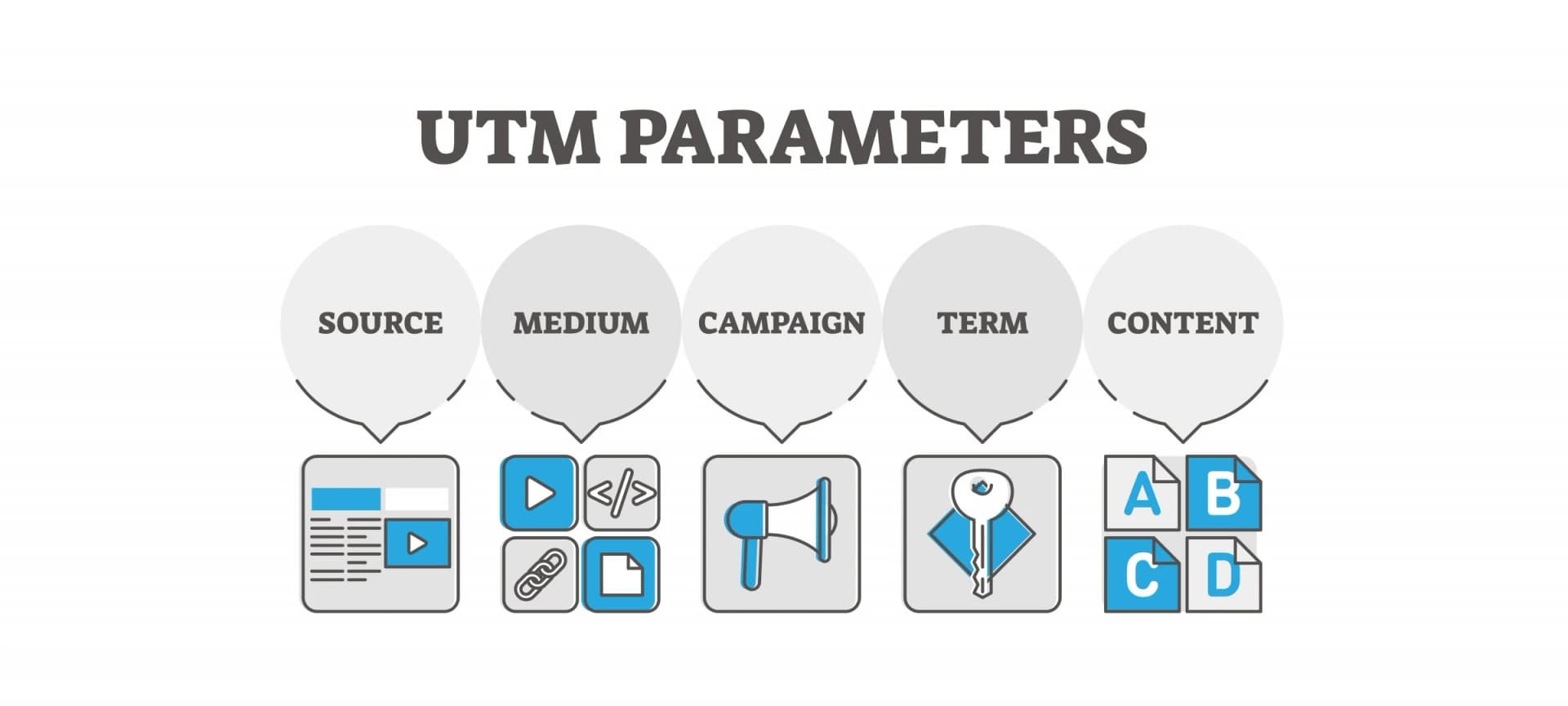
Imagine spending 500,000 Kz on Facebook, Google and Instagram ads and gaining 30 customers. Which channel brought most of them? Without reliable attribution, it is difficult to allocate your budget confidently. UTM parameters help connect campaign activity to measurable outcomes.
Many businesses run campaigns, publish content and receive WhatsApp enquiries, yet cannot identify which channel deserves more budget. Without that context, resources can be wasted and the sales team lacks a clear picture.
What Are UTM Parameters?
UTM stands for Urchin Tracking Module. These parameters are added to a link to identify a visit’s source, channel and campaign. Analytics tools can use them to organise campaign data and support more informed decisions.
Use utm_source for the platform, utm_medium for the channel and utm_campaign for the campaign name. Add utm_content to distinguish creative variations and utm_term when you need to track paid search keywords.
A practical example in Angola
For a corporate check-up campaign in Luanda, a link might include utm_source=facebook, utm_medium=cpc, utm_campaign=checkup-abril and utm_content=video-depoimento. These tags distinguish that testimonial video from other campaign assets.
Why Does This Matter for Your Business?
Consistent UTM tagging helps compare channels by qualified leads, meetings and sales, rather than clicks alone. Allocate more budget to what converts and reconsider campaigns that consume resources without meaningful results.
Shared attribution also helps marketing and sales work together. Knowing which campaigns produce better-fit leads allows the team to adjust its approach and follow-up, while management can connect campaign reports to revenue.
Set Up UTMs in Five Minutes
A practical step-by-step guide
- Open Google Campaign URL Builder and enter your landing page URL.
- Use simple, consistent names for source, medium and campaign.
- Use content to distinguish creatives and placements when needed.
- Apply the generated link to your ads, emails and buttons.
- In GA4, check acquisition data and compare sessions, conversions and revenue by campaign.
Keep naming consistent: analytics tools can treat facebook and Facebook as different sources. Use a documented convention with lowercase letters, no spaces and hyphens, such as utm_campaign=lead-b2b-luanda.
Common UTM Mistakes
- Using different names for the same source and fragmenting the data.
- Tagging ads but forgetting email, profile links, QR codes and partners.
- Failing to document naming conventions for the team.
- Overlooking offline campaigns that lead online, such as events and printed materials.
- Publishing links without checking them for tracking errors.
Tracking is part of your decision-making infrastructure. Treat it with the same discipline as your CRM and sales process, so reports become useful management tools.
Your Next Step
Start by organising your tracking. Mazanga can help connect UTMs, GA4, dashboards and performance reviews so your team has a clearer basis for commercial decisions.
Ready to apply this to your business?
Talk to us about building a marketing system informed by real business data.
Request a Free Assessment →